

About us
Unseen is a leading anti-slavery charity operating where most organisations do not: at the intersection of real-time victim insight, systemic prevention, and market-level change.
We work to end modern slavery by empowering, equipping and influencing others to bring about positive and transformational change, combining frontline intelligence with policy influence and business transformation, turning hidden exploitation into actionable reform which empowers and supports survivors. Headquartered in Bristol, through our safehouses and vital community support, we empower survivors to reclaim their lives and dignity. As operators of the UK-wide Modern Slavery & Exploitation Helpline, we give a voice to those in need and drive urgent action. At the heart of our mission lies an unwavering commitment to working with government - championing bold policies, influencing national debate, and forging partnerships that deliver real, lasting change. By collaborating with individuals, communities, businesses, other charities and statutory agencies, we are relentless in our pursuit to end slavery for good and build a future free from exploitation.
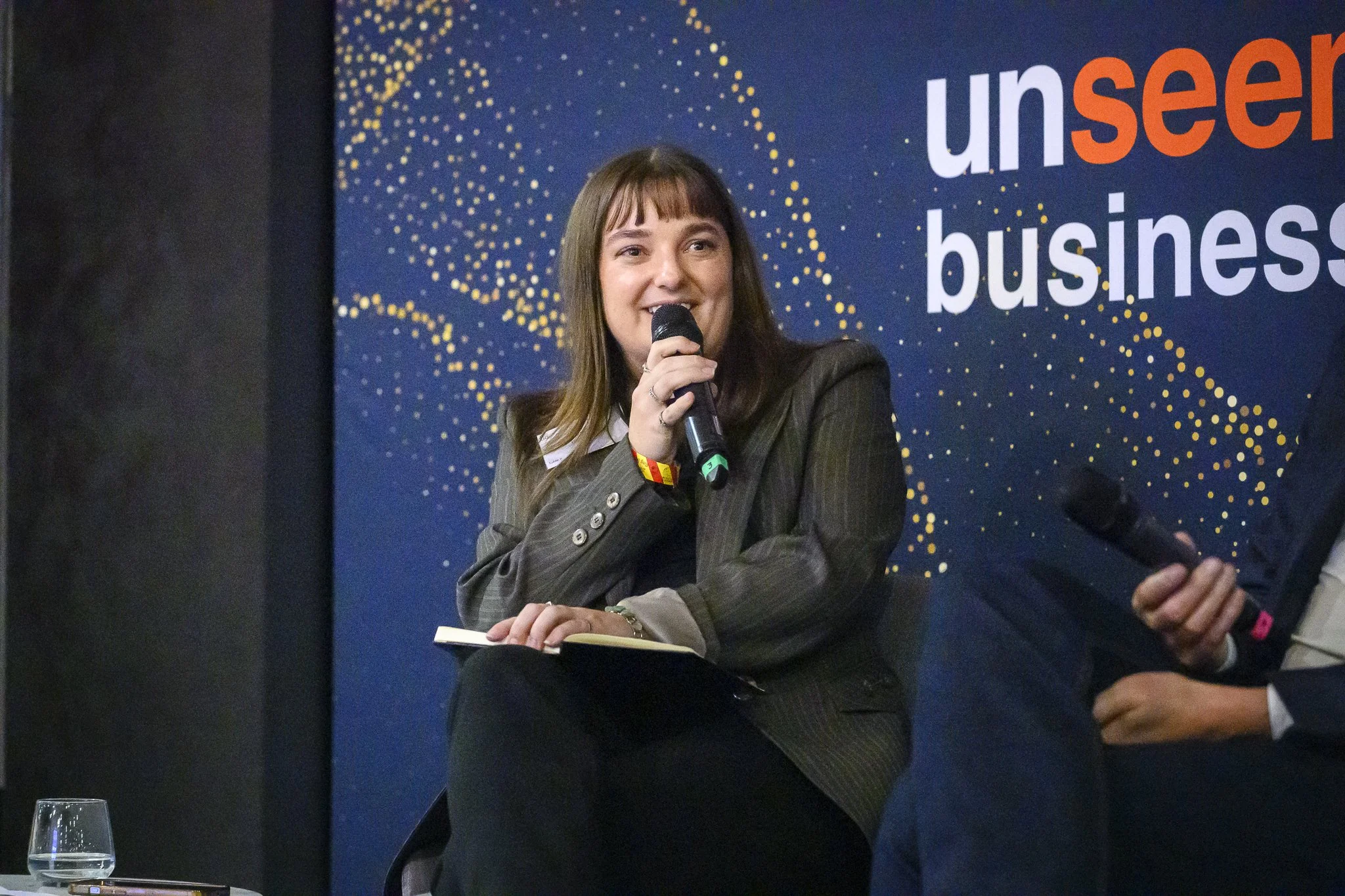
What sets Unseen apart is its integrated, multi-faceted approach:
The Helpline acts as national infrastructure, providing real-time data on exploitation trends.
The focus is on prevention - intervening before harm occurs through training and risk management.
Unseen partners with committed businesses to help them build ethical practices that also make economic sense.
Policy recommendations are grounded in real evidence from the frontline, earning trust from decision-makers.
Systemic thinking addresses root causes of exploitation, not just immediate impacts.
This comprehensive method matters because modern slavery exploitation is becoming more complex and global, and supply chains more fragmented. Unseen turns victim experiences into systemic reforms and aims to expand this model internationally, positioning itself as a key systems-change leader in the fight against modern slavery.
Our vision: A world without slavery. We aim to transform society’s response so all can live in a world free from such abuse and exploitation.
Our mission: We’re working to end modern slavery by empowering, equipping and influencing others to bring about positive and transformational change.
See our latest annual report.

Finances
Subject to audit, Unseen generated surplus income in 2025. Unseen’s current guiding budget principle is to grow our reserves to build resilience against potential shocks, as well as making targeted investments in line with our strategy. We are currently working with a three-year budget forecast aiming to continue to generate surplus income through diversifying income streams and closely managing expenditure into 2027 to ensure the long-term sustainability of the charity.
Our financial reporting is supported by a finance and audit committee which is a sub-committee of the Board, attended by the Senior Leadership Team, two trustees, the chair of the board and our financial controller. We monitor finances regularly through monthly management accounts which are reviewed by the finance and audit committee and reported to the Board.
Equity, diversity and inclusion statement
Unseen recognises that providing equality of opportunity, valuing diversity and promoting a culture of inclusion are vital to its success. Unseen is dedicated to creating a positive working environment, in which the rights and dignity of all its staff are respected. Unseen is committed to taking proactive steps towards making the organisation more representative of diverse communities and all sections of society.
Our engagement with supporters, suppliers and partner agencies must be respectful and inclusive for everyone involved. In accordance with the Equality Act 2010 and other relevant legislation, Unseen does not tolerate discrimination on the grounds of sex, gender, gender reassignment, age, race, colour, nationality, ethnic or national origin, disability, marital/civil partnership status, sexual orientation, pregnancy or maternity, responsibility for dependents, trade union or political activities, unrelated criminal record, religion, faith or other beliefs, health status or any other reason that cannot be shown to be justified.